Probability Games for Smarter Decisions
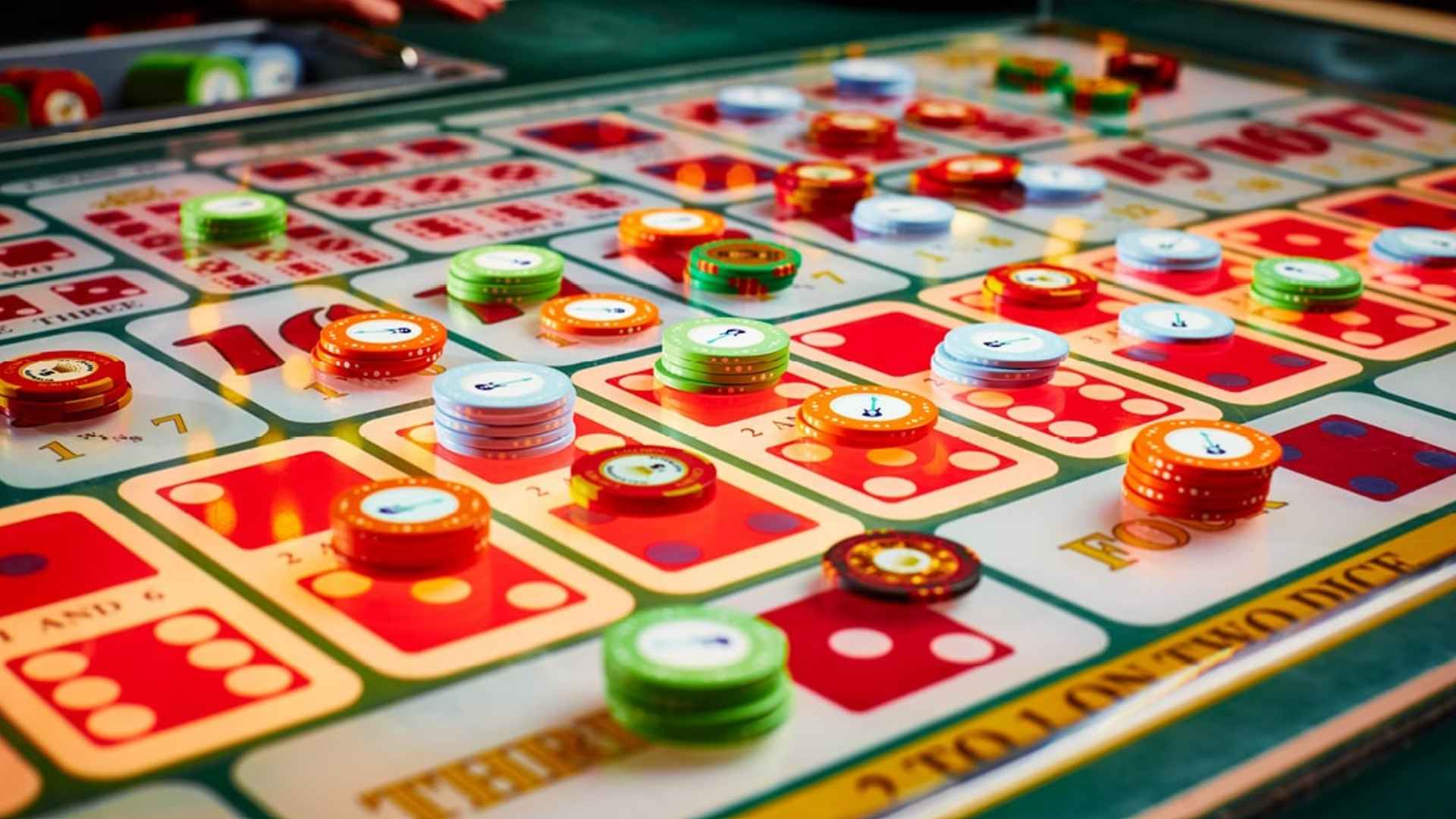
Engaging in strategic entertainment can significantly enhance an individual's mental agility and analytical capabilities. Probability games serve as a unique training ground where players learn to weigh potential risks against expected returns in real time. By understanding how mathematical odds function in simulated environments, people can cultivate better critical thinking skills that translate directly into everyday life choices.
The Mathematical Foundations of Risk Assessment
At the core of every probability game lies the concept of calculated uncertainty, which requires players to look past pure intuition. Evaluating mathematical likelihoods teaches individuals to spot recurring trends and make objective conclusions based on structured data rather than simple emotional impulses. This systematic framework transforms how the human brain processes uncertainty, turning unpredictable scenarios into manageable statistical equations.
Developing a firm grasp of independent events reduces the common cognitive biases that frequently lead to poor financial or personal judgments. When players regularly calculate standard win rates, they become more comfortable navigating volatile situations outside of entertainment contexts. This practice establishes a solid baseline for rational logic, which is crucial for modern risk mitigation strategies.
Translating Strategy into Everyday Choices
Many traditional board games and modern digital challenges require continuous tactical adaptations as new variables emerge. This constant mental adjustment helps sharpen real-world problem-solving abilities, particularly in fast-paced professional environments. Business professionals frequently use similar scenario-modeling techniques to minimize operational hazards and protect corporate resources effectively.
Honing these analytical skills does not require complex mathematical degrees, but it does demand regular practice with interactive platforms. Exploring diverse digital environments like M88 Mansion provides an accessible way to observe how random number distributions function under different rule sets. Studying these patterns allows individuals to build comprehensive cost-benefit mental models that improve long-term decision sustainability.
Overcoming Cognitive Biases and Illusions
A primary benefit of engaging with probability mechanics is the systematic dismantling of common behavioral traps like the gambler's fallacy. Many people mistakenly believe that past random events influence future outcomes, leading to highly disadvantageous choices. Experiencing data-driven feedback loops helps players internalize the true nature of randomness, fostering greater emotional control during high-pressure scenarios.
Recognizing the clear distinction between absolute luck and genuine strategic influence empowers individuals to take full accountability for their choices. This shifted perspective encourages people to focus strictly on controllable variables rather than relying on unpredictable external factors. Ultimately, mastering these basic mathematical principles yields a more measured, confident approach to life's inevitable uncertainties.