Recent Post

Why RTP Is Worth Learning About ...
Navigating the expansive world of digital entertainment requires a solid understanding of the mechanics that govern game performance and fairness. Among the various statistics available to players, Return to Player stands out as a fundamental metric that directly shapes expectations. Learning about this indicator allows individuals to approach their favorite platforms with clarity and confidence rather than relying entirely on guesswork.
The Core Definition of Return to Player
At its baseline, Return to Player represents the theoretical percentage of wagered money that a gaming title is programmed to pay back over an extended duration. For example, a game boasting a ninety-seven percent payout rate is mathematically designed to return ninety-seven dollars for every one hundred dollars wagered by the collective player base. However, it is essential to remember that this calculation relies on millions of simulated rounds rather than a singular session.
This statistical benchmark serves as a transparent tool enforced by international regulatory bodies to protect consumers and uphold strict fairness standards. Discerning players often look for these published numbers to evaluate which software developers respect player longevity and market compliance. Highly regarded platforms like M88 Mansion display these verified metrics transparently to help users make informed decisions before participating.
Demystifying Short Term Session Variance
A frequent error among casual gaming enthusiasts is assuming that the stated percentage guarantees immediate results during a brief period of entertainment. In reality, short-term outcomes are completely dictated by independent algorithms known as Random Number Generators, which introduce massive fluctuations. The theoretical percentage only stabilizes when observed across an incredibly vast timeline involving thousands of active participants.
Grabbing hold of this distinction prevents unnecessary frustration and helps players cultivate much healthier gaming habits over time. Experienced individuals leverage this knowledge to manage their session expectations and avoid chasing short-term losses. Recognizing the boundary between immediate randomness and long-term probability is the hallmark of an educated digital player.
Evaluating Volatility and Risk Metrics
While the overall return percentage indicates how much money flows back to the community, it does not reveal the frequency or size of those payouts. This distribution style is determined by a separate metric known as volatility or variance, which functions alongside the mathematical model. A game with a high theoretical return might award rare but massive jackpots, while another might offer constant micro-wins.
Balancing both pieces of data enables individuals to select digital entertainment options that align perfectly with their personal risk tolerance. Those seeking prolonged engagement typically prefer low volatility profiles that maintain a steady balance throughout the session. Conversely, players chasing high-reward scenarios accept prolonged dry spells in exchange for larger potential payouts.
Empowering Smarter Entertainment Budgeting
Ultimately, taking the time to study verified performance indicators transforms the way people interact with modern gaming ecosystems. Comparing these statistical models across various genres provides a practical framework for identifying the most efficient entertainment options. This analytical habit ensures that your personal recreation budget is spent on titles engineered with transparent mathematical boundaries.
While historical data and certified percentages can never guarantee an immediate victory, they remain an invaluable resource for strategic decision-making. Prioritizing transparency and comprehension over luck creates a significantly more rewarding experience across any digital gaming platform.

Smart Preparation for Every Baccarat Tournament ...
Preparing for a baccarat tournament requires a completely different approach compared to regular casino sessions. While standard games focus strictly on beating the house edge, tournament formats pit you directly against other players. Approaching these competitive events with a structured plan will significantly enhance your chances of advancing past the initial rounds.
Understanding the Tournament Structure and Rules
Every competitive event has unique rules regarding chip distribution, hand limitations, and round advancements. It is crucial to read the specific tournament guidelines well before the initial cards are dealt. Knowing whether the format uses single-elimination or cumulative scoring determines how aggressive your betting strategy should be.
Additionally, tracking the movement of the first-bet marker is vital for timing your wagers. Acting last in a betting round provides a distinct information advantage over your opponents. Reviewing these mechanical aspects beforehand ensures that you will not make costly errors during high-pressure moments.
Developing a Dynamic Bankroll Management Strategy
Managing your tournament chips demands a fluid approach that adapts to the current leaderboard rankings. Unlike cash games where capital preservation is key, tournament play often requires calculated risks to keep pace with the leaders. You should establish clear milestones for your chip stack during each phase of the competition.
Utilizing established online platforms like M88 Mansion can provide excellent environments for practicing these adapted betting frameworks. Learning when to conserve your resources and when to execute maximum bets is a critical skill. Maintaining this financial discipline keeps you viable as the field narrows toward the final table.
Studying Opponent Behavior and Tracking Chips
Success in a tournament setting relies heavily on monitoring the financial status of everyone at your table. You must continuously calculate the chip differentials between your stack and the current table leader. This constant surveillance allows you to determine the exact sizing needed to overtake them safely.
Observing the betting patterns of your competitors also reveals their risk tolerance levels. Some players will panic and bet heavily when falling behind, while others remain overly conservative. Recognizing these behavioral tendencies helps you counter their moves effectively during crucial deals.
Mental Conditioning for the Final Table
Reaching the final stages of a tournament introduces immense psychological strain that can disrupt tactical decision-making. Elite players train themselves to maintain emotional neutrality regardless of short-term outcomes. Keeping your focus entirely on mathematical probabilities prevents emotional decisions from ruining your progress.
Visualizing different game scenarios prior to the event builds the necessary mental stamina for long sessions. Endurance is just as important as strategy when matches extend over several hours. Entering the casino floor with a calm and disciplined mindset ultimately separates top finishers from the rest of the field.
Random Rewards That Feel Exciting Every Time ...
Modern entertainment systems have perfected the art of keeping audiences thrilled through unpredictable incentives. At the core of this strategy is the concept of variable rewards, which relies on the human brain's natural response to unexpected surprises. By mixing elements of chance with satisfying outcomes, creators can build an environment where every single interaction carries the potential for a major thrill.
The Neural Magic of Unexpected Outcomes
When a person does not know what kind of reward to expect, their brain produces a heightened burst of chemical anticipation. This surge of dopamine creates a deep sense of engagement that far exceeds the satisfaction of a predictable routine. The simple mystery of what lies behind the next choice is what makes these mechanics so compelling over time.
Psychological research confirms that variable delivery schedules are far more effective at building long-term habits than fixed systems. When outcomes are perfectly guaranteed, the experience can quickly lose its novelty and feel like a repetitive chore. Introducing sudden moments of chance guarantees that the psychological loop remains fresh and universally engaging.
Striking the Perfect Balance in Reward Systems
Designing these systems requires a careful balance to ensure the experience remains fun rather than frustrating for participants. If the probability of obtaining a premium outcome is set too low, the audience might feel discouraged and walk away entirely. On the other hand, giving out rare prizes too frequently will reduce their perceived value and ruin the economy.
Clear transparency regarding odds is becoming a standard practice to maintain trust and credibility with modern consumers. Providing clear terms helps individuals make informed decisions while exploring different digital landscapes. Enthusiasts seeking a balanced gaming landscape can visit M88 Mansion to test their luck within a securely managed environment.
The Long Term Appeal of Discovery
Human curiosity naturally draws people toward experiences that offer a sense of discovery and mystery. Combining hard work with an unexpected bonus item amplifies the joy of achieving a difficult objective. This unique combination caters successfully to both casual participants looking for quick fun and dedicated experts tracking rare achievements.
Ultimately, chance mechanics succeed because they fulfill a basic desire for sudden celebration and emotional thrill. When implemented with strict ethical standards, these systems enhance standard loops without manipulating consumer habits. As digital platforms continue to advance, the fine line between steady progression and thrilling surprises will remain highly important.

Understanding Fair Randomization Techniques ...
Modern algorithmic architectures rely heavily on unbiased backend processes to ensure that digital outcomes remain completely equitable and unpredictable. At the absolute core of this infrastructure is the development of robust mathematical frameworks designed to eliminate bias entirely. Understanding how these intricate systems operate is essential for maintaining integrity across various sectors of the interactive technology landscape.
The Core Concepts of Equitable Randomness
In the virtual space, generating truly unbiased distributions requires sophisticated computational designs that completely lack predictable patterns. Most contemporary software architectures implement Pseudo-Random Number Generators that utilize specific, dynamic seeding mechanisms to initiate their data sequences. This advanced method ensures that every separate computational event happens with strict statistical independence from previous iterations.
Software developers constantly optimize these background functions to guarantee that older data models have no predictive influence over future outcomes. This complete independence is crucial because it creates an authentic digital environment where analytical strategy and genuine variety work together perfectly. As a direct result, users can interact with modern applications with full confidence in the mathematical systems.
Ensuring Transparency in Algorithmic Designs
Maintaining strict industry compliance requires modern technology providers to subject their operational codebases to rigorous third-party evaluations. Independent specialized testing laboratories routinely examine software frameworks to confirm that their random distributions remain perfectly equal over millions of individual trials. These compliance certifications provide definitive proof of structural integrity, proving to the public that the backend works without manipulation.
Transparency within digital distribution methods has quickly become a key component of brand trust and user retention in the modern era. People looking for reliable digital spaces frequently seek out established entities such as M88 Mansion to experience verified platforms that openly prioritize audited software standards. By proving a dedicated commitment to regular certification, platforms successfully build long-term reputation and compliance credibility.
The Practical Impact on Interactive Systems
Beyond simply preserving software fairness, reliable randomization directly improves the user experience and overall depth of contemporary interactive applications. Dynamic systems, randomized asset distribution, and evolving operational workflows all depend on rapid background calculations to keep virtual environments engaging. This constant operational diversity prevents users from exploiting predictable systems, which heavily protects the core ecosystem.
As cloud networks and enterprise applications continue their rapid global growth, the demand for highly optimized randomness engines increases dramatically. Software engineers are constantly tasked with implementing secure cryptographic protocols while maintaining zero latency across a vast array of hardware configurations. Ultimately, the continuous development of these invisible systems will remain a major factor driving trust in digital networks.
Learning Sic Bo Without Feeling Intimidated ...
Sic Bo is an ancient casino game that continues to intrigue players with its fast-paced action and diverse betting options. Relying on three distinct dice, the game presents a massive matrix of combinations that decide every single wager instantly. Understanding these numerical possibilities is essential for anyone who wants to approach the table with clarity and discipline.
The Mathematical Foundation of Three Dice
When three standard six-sided dice are rolled together, they generate a total of 216 unique mathematical combinations. While many outcomes look similar on the betting board, their underlying probabilities vary dramatically based on the laws of mathematics. Recognizing how frequently certain totals appear allows participants to make choices based on solid statistics rather than pure guesswork.
For instance, achieving a specific total sum requires different pathways depending on the target number. A total sum of ten or eleven can be formed in twenty-seven different ways, making them highly frequent outcomes during live sessions. Conversely, extreme totals like four or seventeen can only be created through three unique combinations, rendering them statistically rare events.
Evaluating High and Low Probability Ranges
The most accessible wagers on the centralized layout are categorized into Small and Big betting sections. A Small bet covers total values ranging from four to ten, while the Big option encompasses sums from eleven to seventeen. These options represent the most statistically balanced propositions on the table, offering players a near equal chance of success on any single shake.
However, it is crucial to remember that all three-dice sum wagers lose instantly if the dealer reveals a triple combination. This minor rule gives the house its statistical advantage, even on seemingly safe even-money options. Platforms like M88 Mansion show that understanding this subtle house edge is key to developing sustainable playing habits over time.
Identifying Rare Combinations and Triples
Beyond the common even-money choices, the game features high-risk options that target specific identical numbers appearing simultaneously. A specific triple wager requires all three dice to display the exact same value chosen by the player before the container is opened. Because this event only has a single way to manifest out of 216 possibilities, it offers the highest payouts along with the steepest difficulty.
Players can also opt for an any triple bet, which covers all six possible identical outcomes with a single chip. While this choice expands the avenues to win, the payout is noticeably reduced compared to naming a specific number. Balancing these rare targets with steady foundation bets prevents players from rapidly depleting their session bankrolls.
Strategic Takeaways for Informed Players
A structured approach to reading the table layout helps individuals maintain complete control over their gaming experience. Tracking past results can be visually engaging, but it is important to remember that each roll remains entirely independent of previous outcomes. The dice possess no memory, meaning past streaks never influence the probability of subsequent rounds.
Establishing strict limits before entering a live environment ensures that decisions are driven by logic rather than emotional reactions. Combining solid knowledge of the 216 outcomes with measured bankroll management maximizes the entertainment value of this classic game. Ultimately, respect for the mathematical boundaries of the table transforms the way players experience every roll.

Learning Sic Bo Without Feeling Intimidated ...
Sic Bo is an ancient casino game that continues to intrigue players with its fast-paced action and diverse betting options. Relying on three distinct dice, the game presents a massive matrix of combinations that decide every single wager instantly. Understanding these numerical possibilities is essential for anyone who wants to approach the table with clarity and discipline.
The Mathematical Foundation of Three Dice
When three standard six-sided dice are rolled together, they generate a total of 216 unique mathematical combinations. While many outcomes look similar on the betting board, their underlying probabilities vary dramatically based on the laws of mathematics. Recognizing how frequently certain totals appear allows participants to make choices based on solid statistics rather than pure guesswork.
For instance, achieving a specific total sum requires different pathways depending on the target number. A total sum of ten or eleven can be formed in twenty-seven different ways, making them highly frequent outcomes during live sessions. Conversely, extreme totals like four or seventeen can only be created through three unique combinations, rendering them statistically rare events.
Evaluating High and Low Probability Ranges
The most accessible wagers on the centralized layout are categorized into Small and Big betting sections. A Small bet covers total values ranging from four to ten, while the Big option encompasses sums from eleven to seventeen. These options represent the most statistically balanced propositions on the table, offering players a near equal chance of success on any single shake.
However, it is crucial to remember that all three-dice sum wagers lose instantly if the dealer reveals a triple combination. This minor rule gives the house its statistical advantage, even on seemingly safe even-money options. Platforms like M88 Mansion show that understanding this subtle house edge is key to developing sustainable playing habits over time.
Identifying Rare Combinations and Triples
Beyond the common even-money choices, the game features high-risk options that target specific identical numbers appearing simultaneously. A specific triple wager requires all three dice to display the exact same value chosen by the player before the container is opened. Because this event only has a single way to manifest out of 216 possibilities, it offers the highest payouts along with the steepest difficulty.
Players can also opt for an any triple bet, which covers all six possible identical outcomes with a single chip. While this choice expands the avenues to win, the payout is noticeably reduced compared to naming a specific number. Balancing these rare targets with steady foundation bets prevents players from rapidly depleting their session bankrolls.
Strategic Takeaways for Informed Players
A structured approach to reading the table layout helps individuals maintain complete control over their gaming experience. Tracking past results can be visually engaging, but it is important to remember that each roll remains entirely independent of previous outcomes. The dice possess no memory, meaning past streaks never influence the probability of subsequent rounds.
Establishing strict limits before entering a live environment ensures that decisions are driven by logic rather than emotional reactions. Combining solid knowledge of the 216 outcomes with measured bankroll management maximizes the entertainment value of this classic game. Ultimately, respect for the mathematical boundaries of the table transforms the way players experience every roll.

Bridge Games That Encourage Tactical Excellence ...
The classic trick-taking card game of contract bridge has long been celebrated as the ultimate test of cognitive endurance and strategic foresight. Unlike games that rely heavily on the luck of the draw, duplicate bridge variants eliminate chance by forcing multiple tables to play the exact same deals. This unique competitive framework ensures that long-term success depends entirely on a player's ability to execute precise calculations under immense pressure.
The Foundations of Strategic Foresight
Achieving tactical excellence in bridge begins long before the first card is laid onto the table. During the intricate bidding phase, partners must exchange subtle yet highly regulated clues regarding the strength and distribution of their respective hands. Masterful participants carefully analyze these subtle shifts in the auction to establish an optimal contract or disrupt their opponents' defensive plans.
Once the final declaration is made, the game transforms into a complex mathematical puzzle requiring deep concentration. Players must constantly count cards, deduce hidden distributions, and adjust their strategies dynamically based on every dropped suit. Experienced mind sports enthusiasts looking to enhance their analytical capabilities frequently explore modern digital platforms like the M88 Mansion portal to practice challenging logic variants.
Mastering Declarer Play and Timing
As the declarer, executing a successful contract requires a flawless combination of patience, calculation, and tactical flexibility. One must visualize the entire layout of the remaining cards and anticipate potential defensive hazards early in the game. Rushing into a trick without a comprehensive plan often results in unexpected entry blockages or devastating opponent finesses.
Managing the trump suit effectively stands as one of the most critical skills a player can develop. Drawing the defenders' trumps too early can dismantle your own communication lines, while waiting too long leaves your long suits vulnerable to ruffing. Striking the perfect balance between aggressive trump extraction and careful establishment of side suits defines true mastery at the table.
Advanced Techniques in Team Defense
While playing as the declarer offers high rewards, consistent tournament victories are ultimately built on exceptional defensive coordination. A defender's opening lead sets the entire tone for the hand and can immediately compromise an opponent's initial strategy. Making sharp decisions at this critical junction requires a profound understanding of standard leading conventions and opponent habits.
Furthermore, active defense involves utilizing standardized card signals to share vital information with your partner silently. Effective communication allows a defensive duo to discover vulnerabilities in the declarer's position and defeat seemingly bulletproof contracts. Adapting your defensive posture from passive waiting to aggressive risk-taking remains the hallmark of elite card players around the world.
Cultivating Psychological Resilience
Beyond mathematical formulas and tactical conventions, competitive bridge places a heavy premium on mental stamina and emotional control. A single miscalculation or miscommunication with your partner can easily jeopardize an entire tournament session. Maintaining absolute focus across dozens of deals helps top-tier players recover quickly from inevitable setbacks.
Ultimately, the continuous pursuit of excellence in this classic mind sport sharpens memory, logical reasoning, and collaborative problem-solving abilities. Every dealt hand presents a fresh competitive scenario that challenges players to think multiple steps ahead of their opponents. Engaging regularly in these complex card games ensures that your strategic mind remains agile and highly resilient over time.

Mobile Card Games That Reward Dedication ...
The mobile gaming ecosystem has shifted significantly as players increasingly seek deeper, long-term engagement over simple casual pastimes. Digital card titles have emerged as a premier destination for individuals who appreciate the value of strategic mastery and persistent progression. These modern platforms move away from immediate gratification, instead prioritizing systems that recognize and elevate a player's long-term commitment.
The Evolution of Long-Term Player Incentives
Modern card applications utilize intricate progression architectures designed to reward consistent daily engagement. Players earn specialized experience points, crafting materials, and exclusive cosmetic upgrades simply by mastering their decks over extended periods. This structural setup shifts the focus away from monetization, ensuring that active gameplay remains the definitive factor in competitive success.
Furthermore, regular updates ensure that the time spent developing custom tactical frameworks retains its value through changing seasons. Dedicated communities frequently discuss how these persistent systems foster a deeper sense of achievement among strategic enthusiasts. For players exploring structured platforms that appreciate user loyalty, visiting the M88 Mansion digital portal offers excellent resources on contemporary competitive trends.
Mastering Complex Meta Shifts Through Practice
Achieving sustained success in competitive digital environments requires more than just high-tier asset collection. True mastery demands a comprehensive understanding of mathematical probability, spatial board dynamics, and shifting strategic match-ups. Players who commit hours to studying game mechanics discover that their tactical foresight dramatically outweighs quick reflexes.
Regular practice enables individuals to anticipate opponent strategies and modify their custom decks effectively on the fly. This ongoing cognitive training transforms the gameplay experience into an intellectually stimulating exercise that keeps minds active. Ultimately, the willingness to learn from every single victory and defeat separates casual users from professional contenders.
The Role of Structured Seasonal Campaigns
Many top-tier card titles integrate highly competitive seasonal ladders that test a player's endurance over several months. These structured cycles provide clear progression milestones, offering unique rewards for individuals who consistently climb the global leaderboards. The periodic resets prevent the landscape from becoming stagnant while fully preserving the competitive integrity of the matches.
Engaging with these scheduled events exposes enthusiasts to innovative tactics engineered by a diverse global player base. This constant interaction pushes players to refine their strategies and continuously push their analytical limits. Over time, participating in these seasonal leagues becomes a badge of honor within the broader community.
Fostering Community and Grassroots Growth
The shared experience of mastering a complex strategic title naturally leads to the formation of highly collaborative digital networks. Dedicated players form specialized guilds, share deck-building advice, and organize independent community tournaments to test their skills. These grassroots initiatives provide inclusive environments where everyone can showcase their tactical growth over time.
Developers actively support this organic engagement by providing custom tools for independent match management and social networking. This synergy between creators and the player base ensures that the virtual tabletop ecosystem remains vibrant for years. By investing time into these social structures, players contribute to a lasting culture of competitive excellence.

Smart Craps Planning Before Every Session ...
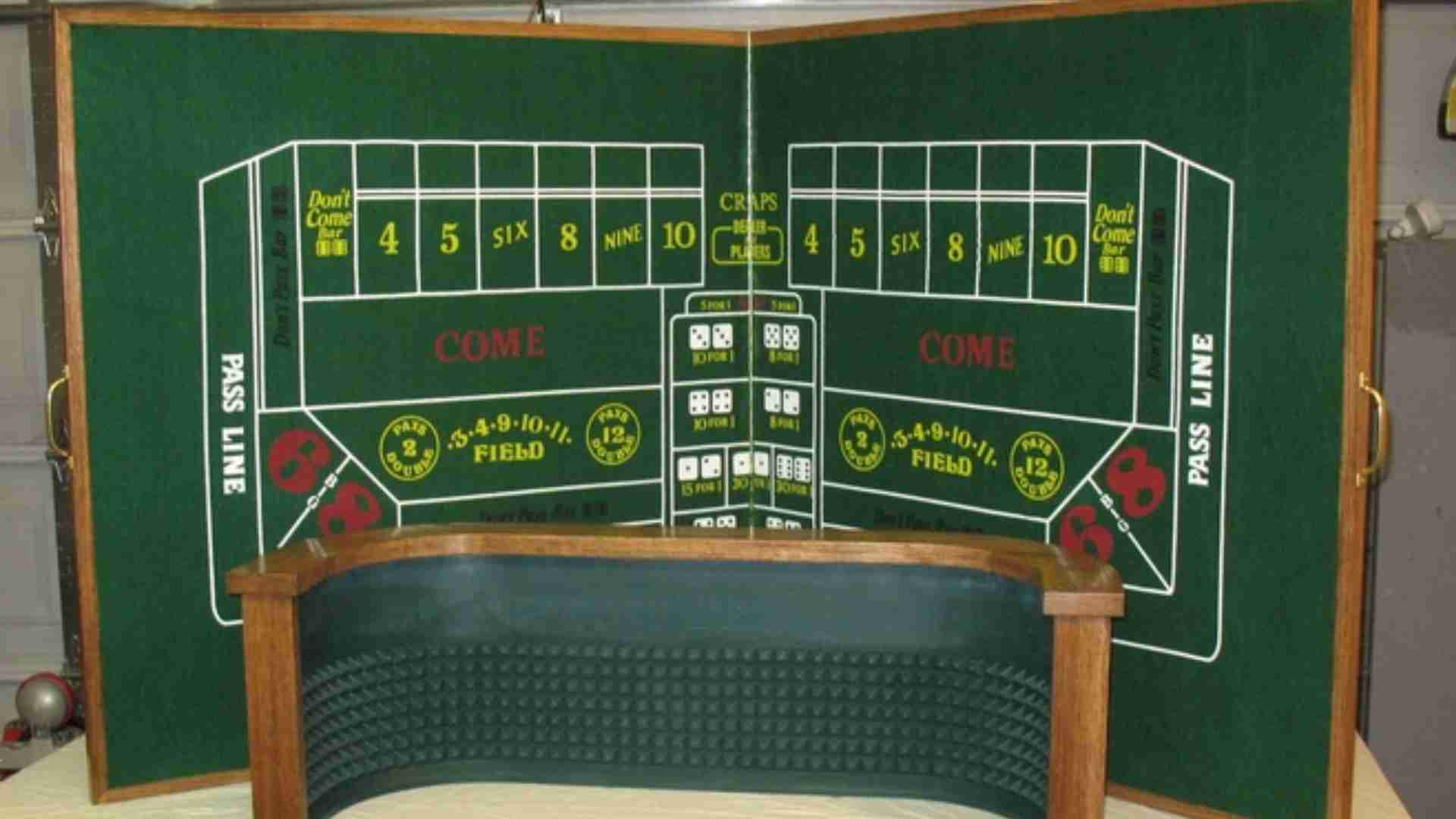
Approaching a lively craps table without a structured game plan often leads to rapid bankroll depletion and unnecessary emotional stress. Developing a systematic approach before placing your first bet allows you to maintain control over your decisions and navigate table variance effectively. By organizing your sessions in advance, you transform a game of pure chance into a structured entertainment experience.
Establishing Strict Financial Boundaries
The foundation of any successful craps strategy relies on setting firm limits for both losses and profits before stepping into the casino. Defining a specific session bankroll prevents you from chasing losses during an inevitable cold streak of dice outcomes. Smart players also establish a realistic win goal to ensure they walk away with their profits intact rather than giving them back to the house.
Dividing your total gambling funds into smaller, independent segments for different time slots helps manage overall financial exposure. This disciplined approach guarantees that a single bad shoe or cold table will not ruin your entire trip. When choosing an environment to test your structured strategies, accessing a reliable platform like M88 Mansion provides a secure space to understand table dynamics. Maintaining clear boundaries ultimately shields your primary savings from emotional in-game decisions.
Choosing Low-Variance Betting Strategies
A major element of preparation involves selecting which wagers you will focus on during the upcoming session. Relying heavily on pass line wagers, come bets, and true odds options minimizes the mathematical advantage held by the casino. These specific betting options offer the lowest house edge on the layout, making them perfect for extended play sessions.
Conversely, your pre-session plan should explicitly forbid placing impulsive wagers on high-payout proposition bets in the center of the table. While the potential returns on these high-risk options look tempting, their high house advantage rapidly drains chip stacks. Sticking to a predefined betting pattern keeps your gameplay consistent and easier to evaluate afterward.
Managing Time and Physical Fatigue
Smart planning goes beyond chip management and includes setting precise time limits for how long you intend to stay at the table. Extended exposure to the fast-paced environment of a casino naturally causes mental exhaustion, which leads to poor decision-making. Scheduling mandatory breaks every hour allows you to step away, clear your mind, and evaluate your progress objectively.
Physical fatigue can quietly erode your discipline, making you susceptible to betting larger amounts out of frustration. Walking away from a hot or cold table after your designated time limit expires ensures you stay in complete control. Recognizing the subtle signs of tiredness is an essential skill that separates professional enthusiasts from casual players.
Evaluating Performance and Table Trends
Once your planned session concludes, taking a few minutes to review your performance offers valuable insights for future games. Tracking which betting patterns yielded the most stable results helps refine your strategy for subsequent casino visits. This analytical approach changes the way you view the game, turning each roll into a learning opportunity.
Documenting your wins, losses, and emotional triggers helps build long-term discipline and improves future bankroll management. Over time, this consistent habit of self-reflection turns preparation into a powerful tool for sustainable gaming. A well-reviewed plan ensures that you always return to the tables more knowledgeable than before.

Probability Games for Smarter Decisions ...
Engaging in strategic entertainment can significantly enhance an individual's mental agility and analytical capabilities. Probability games serve as a unique training ground where players learn to weigh potential risks against expected returns in real time. By understanding how mathematical odds function in simulated environments, people can cultivate better critical thinking skills that translate directly into everyday life choices.
The Mathematical Foundations of Risk Assessment
At the core of every probability game lies the concept of calculated uncertainty, which requires players to look past pure intuition. Evaluating mathematical likelihoods teaches individuals to spot recurring trends and make objective conclusions based on structured data rather than simple emotional impulses. This systematic framework transforms how the human brain processes uncertainty, turning unpredictable scenarios into manageable statistical equations.
Developing a firm grasp of independent events reduces the common cognitive biases that frequently lead to poor financial or personal judgments. When players regularly calculate standard win rates, they become more comfortable navigating volatile situations outside of entertainment contexts. This practice establishes a solid baseline for rational logic, which is crucial for modern risk mitigation strategies.
Translating Strategy into Everyday Choices
Many traditional board games and modern digital challenges require continuous tactical adaptations as new variables emerge. This constant mental adjustment helps sharpen real-world problem-solving abilities, particularly in fast-paced professional environments. Business professionals frequently use similar scenario-modeling techniques to minimize operational hazards and protect corporate resources effectively.
Honing these analytical skills does not require complex mathematical degrees, but it does demand regular practice with interactive platforms. Exploring diverse digital environments like M88 Mansion provides an accessible way to observe how random number distributions function under different rule sets. Studying these patterns allows individuals to build comprehensive cost-benefit mental models that improve long-term decision sustainability.
Overcoming Cognitive Biases and Illusions
A primary benefit of engaging with probability mechanics is the systematic dismantling of common behavioral traps like the gambler's fallacy. Many people mistakenly believe that past random events influence future outcomes, leading to highly disadvantageous choices. Experiencing data-driven feedback loops helps players internalize the true nature of randomness, fostering greater emotional control during high-pressure scenarios.
Recognizing the clear distinction between absolute luck and genuine strategic influence empowers individuals to take full accountability for their choices. This shifted perspective encourages people to focus strictly on controllable variables rather than relying on unpredictable external factors. Ultimately, mastering these basic mathematical principles yields a more measured, confident approach to life's inevitable uncertainties.
Semua artikel sudah ditampilkan.